
University in Gurugram Pairs Student Mentors With Licensed Counselors for Campus Mental Health
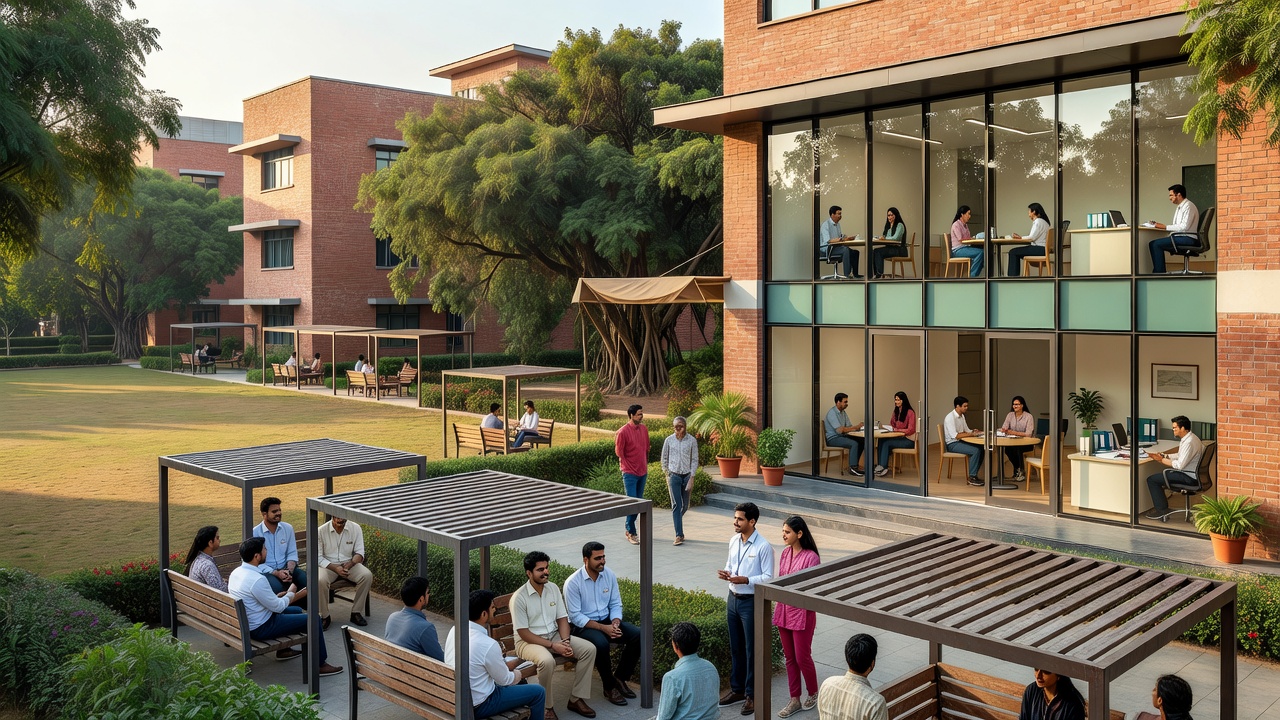
BML Munjal University (BMU) in Gurugram, India, has opened a Wellness Centre that combines professional counseling and psychiatric care with a new Peer Wellbeing Mentor Programme. The model trains senior students to act as a first point of contact for juniors navigating the adjustment to university life, before referring them, when needed, to licensed clinicians.
How the peer mentor model works
Under the programme, trained senior students support incoming peers as they build friendships, adjust to academic demands and explore campus opportunities. Mentors are not a substitute for clinical care; instead, they are meant to lower the barrier to seeking help by offering a familiar, approachable conversation partner. When a student's needs go beyond peer support, mentors help connect them to the Centre's counseling and psychotherapy services.
University leaders frame the approach as an attempt to normalize help-seeking before a crisis develops. "At BMU, we believe wellbeing must be woven into the everyday university experience, rather than addressed only when a student is in crisis," said Professor Shyam Menon, Vice Chancellor of BML Munjal University, describing the goal of making support "natural, early and free from stigma."
Professional backbone behind the peer network
The Centre is staffed by a multidisciplinary team: Rupa Murghai, Director and Senior Psychologist; Rupal Arora, Psychologist and Counsellor; Pankaj Suneja, Psychotherapist; Aditi Agrawal, Assistant Manager; and Dr. Vinay Saini, a Visiting Psychiatrist. Murghai said the mentor programme is designed "to train students to support their peers, reduce stigma, build resilience and recognise early signs of distress, bridging the gap between self-care and professional support."
Beyond one-on-one support, the Centre runs workshops on mental health literacy, stress management, emotional regulation, healthy relationships and coping skills, along with awareness sessions on the prevention of sexual harassment (POSH). It also coordinates with faculty mentors, hostel wardens, student clubs, the Dean of Student Welfare and, where appropriate, parents.
Context and what remains to be seen
The launch coincides with World Mental Health Month in October and references the World Health Organization's 2026 World Mental Health Day theme, "Lived experiences heard: real voices, real change." That global theme emphasizes incorporating people's firsthand experiences into mental health policy and services, a principle the university says guided its decision to involve students directly as mentors rather than relying solely on top-down programming.
Peer support models are used at various universities internationally as a complement to, not a replacement for, professional mental health services, since mentors are not clinicians and cannot diagnose or treat conditions. The effectiveness of BMU's specific program has not been independently evaluated, and no outcome data has been published yet. As with any new initiative, its long-term impact will depend on how consistently mentors are trained, supervised and connected to the Centre's professional staff.