
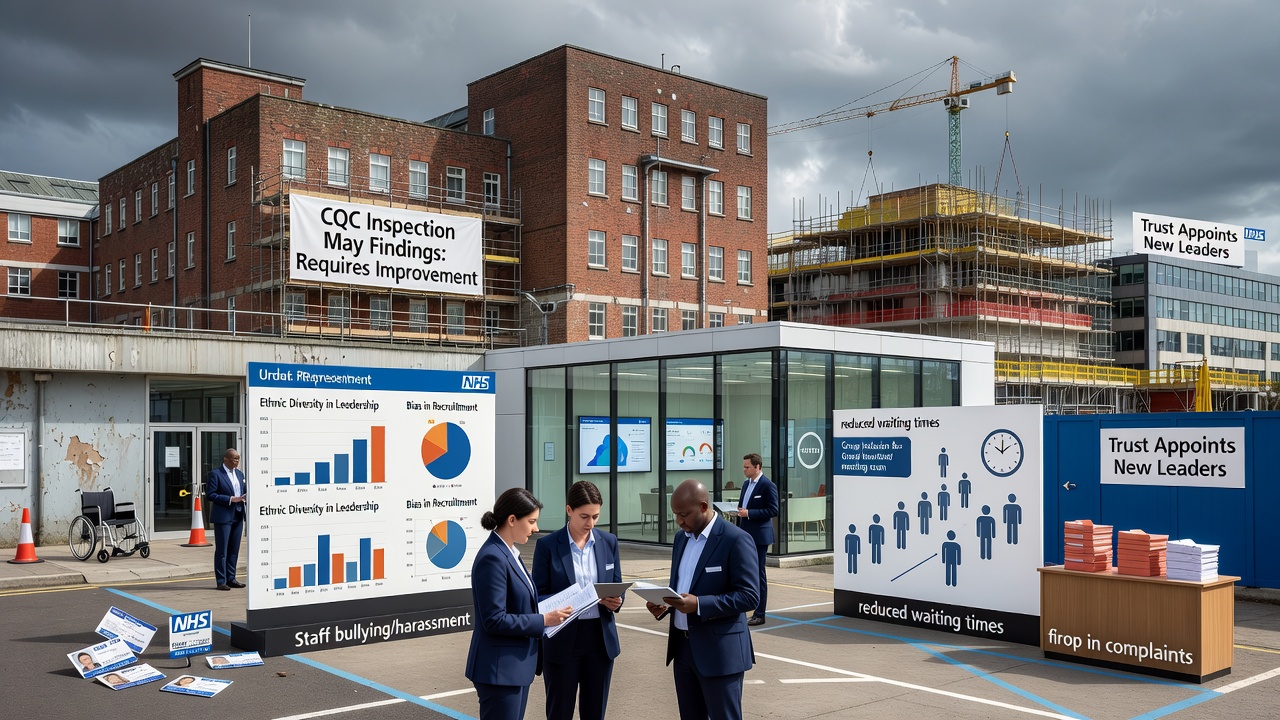
A Care Quality Commission inspection has rated leadership at Epsom and St Helier University Hospitals NHS Trust in England as requiring improvement, citing slow action on patient safety risks, unresolved staff bullying, and widening workforce inequalities. Trust executives have acknowledged the findings publicly and outlined steps already under way to address them.
What inspectors found
The CQC inspection, conducted in May, concluded there was "limited evidence" that trust leaders had moved quickly enough to reduce avoidable harm, despite earlier warnings in maternity, surgery, and urgent and emergency care. Inspectors also identified persistent problems with bullying and harassment, particularly affecting staff with disabilities or long-term health conditions, and found that recruitment safeguards meant to limit bias were not being applied consistently. Data cited in the report showed Black staff and staff from ethnic minority backgrounds were less likely to be hired and remained under-represented in senior management roles.
Separately, inspectors flagged the trust's aging buildings as a "significant safety risk," saying poor estate conditions were affecting patient care, especially in the emergency department.
Trust response and corrective measures
Site chief executive Chinyama Okunuga said the organization accepted the findings and was acting to strengthen how risks are identified and addressed, tackle inequalities, and ensure staff feel supported. The trust says it has appointed new executive and site leaders, launched a Group Inclusion Board, and introduced a health equity dashboard to track disparities in patient experience and outcomes. It has also secured £57 million to redevelop St Helier Hospital's emergency department, including a new Urgent Treatment Centre and expanded Same Day Emergency Care capacity.
Areas of improvement noted
The report was not entirely negative. Patients told inspectors they felt respected and well cared for despite the aging facilities, and inspectors credited the trust with capable leadership, clearer strategy, and stronger partnership working that helped cut waiting times. Complaints fell five percent year-on-year. However, staff gave a mixed picture on learning from incidents, with some describing clear changes in practice and others reporting little feedback on lessons learned - a gap the trust says it still needs to close.
Regulatory oversight going forward
Antoinette Smith, CQC deputy director of hospitals in London, said the regulator has shared its concerns directly with trust leadership and will continue monitoring progress closely "to keep people safe while they make these changes." No timeline for a follow-up inspection was specified in the available findings.