
Survey Finds Training Gaps in Midwives' Response to Postpartum Depression in Sri Lanka
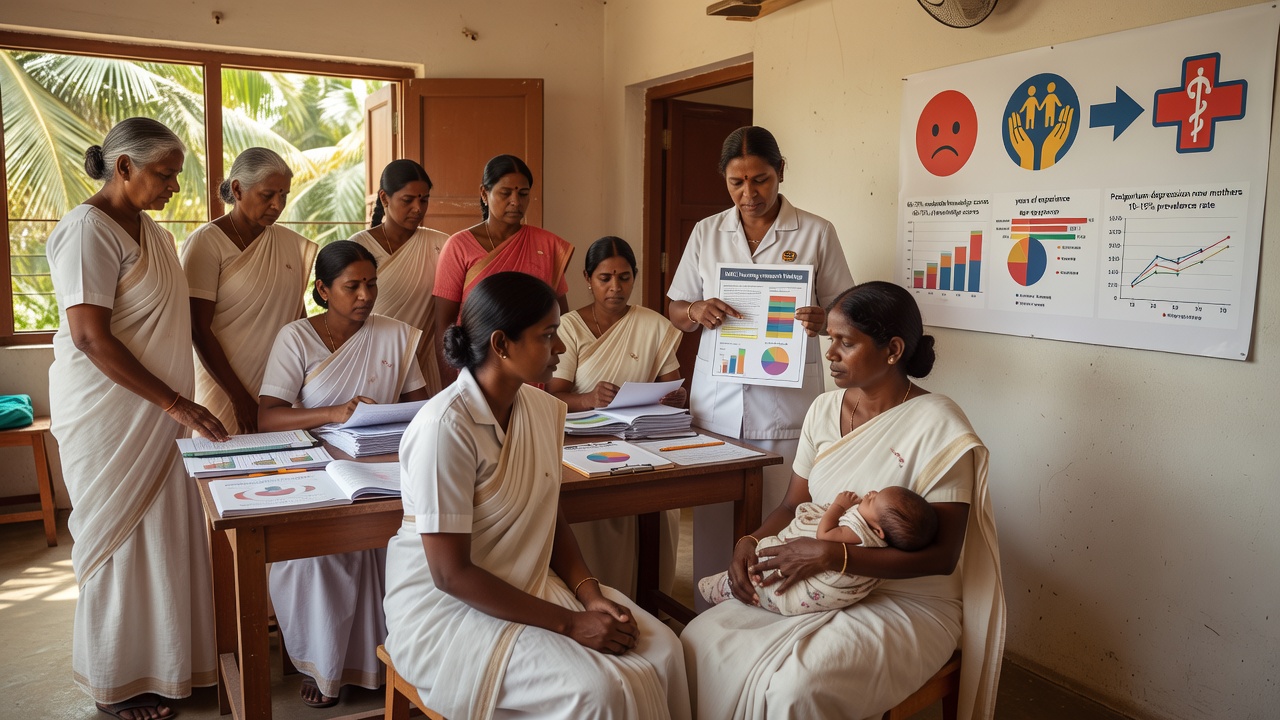
A new descriptive study of midwives in Sri Lanka's Jaffna district finds that most have only a moderate understanding of postpartum depression and how to manage it, pointing to a potential blind spot in frontline maternal mental health care. The research, published in BMC Nursing, surveyed 186 of 215 eligible midwives and found that experience, education and specific training made measurable differences in knowledge levels.
What the study measured
Researchers distributed a self-administered questionnaire to midwives practicing in the Jaffna district, achieving an 86.5% response rate. The survey covered socio-demographic background, service-related factors, and knowledge of postpartum depression recognition and management. It was developed with supervisory input, checked for clarity, and pretested on five midwives who were then excluded from the main sample to avoid bias.
Knowledge scores were converted to percentages and sorted using standard categories common in knowledge-attitude-practice research: good knowledge at 80-100%, moderate at 60-79%, and poor below 60%. More than half of respondents fell into the moderate category, suggesting a workforce that is generally aware of postpartum depression but not uniformly equipped to identify or respond to it with confidence.
Who scored higher, and why it matters
The analysis found statistically significant links between knowledge levels and several factors, including age, educational attainment, years of professional experience, and prior training or hands-on exposure to postpartum depression cases, each with p values below 0.05. Midwives aged 36 to 50, those holding diploma-level qualifications, and those with ten or fewer years of experience were more likely to demonstrate good knowledge than their peers.
Midwives occupy a frontline position in maternal health systems because they often have the most direct and frequent contact with new mothers in community settings. Postpartum depression affects an estimated 10-15% of women after childbirth, with consequences that can extend to infant development and overall family stability. A midwife's ability to recognize warning signs early can shape whether a mother receives timely referral and support.
Limits of the findings
The authors are explicit that this is a cross-sectional snapshot confined to a single district, meaning it reflects conditions at one point in time among the surveyed midwives rather than a trend or a causal relationship. The results cannot be generalized beyond Jaffna without further research in other regions. Even so, the authors note that gaps in specific areas of recognition and clinical management persisted even among midwives with moderate overall scores.
Recommended next steps
The study's authors recommend targeted educational interventions and ongoing professional development programs aimed at strengthening midwives' ability to identify and manage postpartum depression. Such measures, they argue, could help close knowledge gaps tied to experience and training exposure, with the broader goal of improving maternal mental health outcomes in the region. The findings add to a growing body of international research examining how frontline health workers are prepared to address perinatal mental health, a topic relevant to public health planning beyond Sri Lanka as well.